A good credit score is a crucial aspect of your financial health. Whether you want to apply for a loan, a credit card, or even rent a house, your credit score plays a significant role in determining your eligibility. Unfortunately, Improve Credit Score Fast many people struggle with low credit scores due to past financial mistakes or lack of awareness.
The good news is that improving your credit score is possible with the right strategies. While it may take time for some changes to reflect, there are practical and safe steps you can take to see fast improvements. This guide will cover everything you need to know, including actionable tips, common mistakes to avoid, and strategies to maintain a healthy credit score.
What Is a Credit Score?
A credit score is a three-digit number that represents your creditworthiness. Improve Credit Score Fast It reflects how responsibly you have managed loans, credit cards, and other financial obligations in the past.
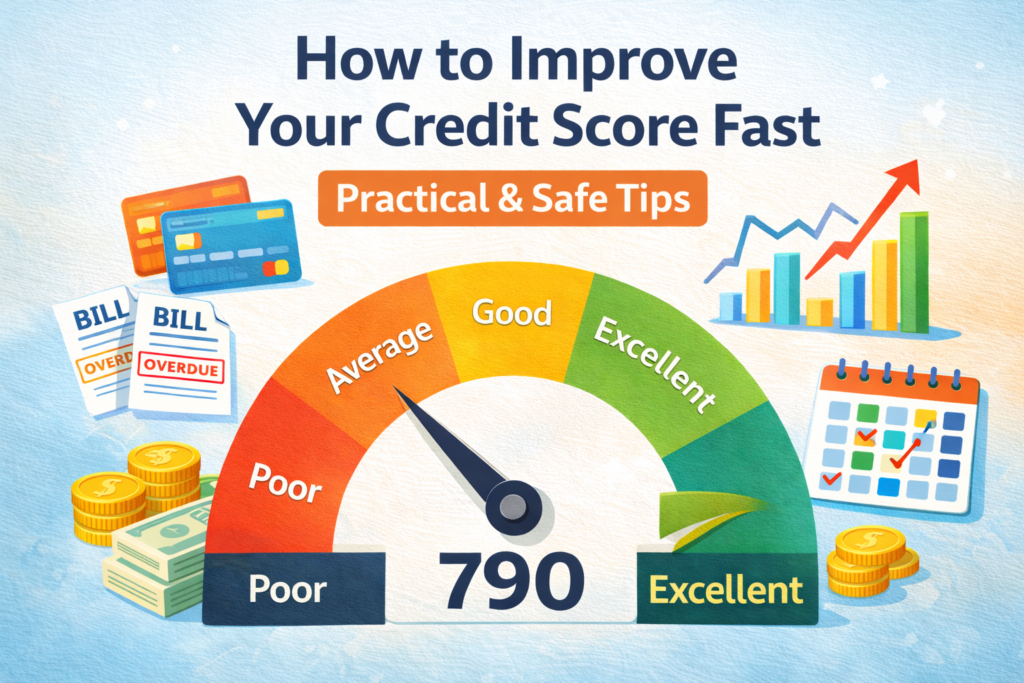
Credit scores typically range from 300 to 900, with higher scores indicating better credit reliability. Financial institutions use this score to determine:
- Loan approvals
- Interest rates
- Credit limits
- Credit card eligibility
Maintaining a good credit score ensures that you have access to better financial opportunities at lower costs.
Why Improving Your Credit Score Matters
A good credit score offers several advantages:
- Better Loan Approvals: Banks prefer borrowers with higher scores.
- Lower Interest Rates: High scores often lead to lower interest rates, saving you money.
- Higher Credit Limits: Lenders are more willing to offer larger amounts.
- Financial Opportunities: Improve Credit Score Fast Easier access to credit cards, home loans, and personal loans.
- Improved Negotiation Power: You can negotiate better terms with lenders.
Conversely, a low credit score may result in loan rejections, high-interest rates, or limited access to credit products.
Factors Affecting Your Credit Score
Understanding what affects your credit score helps you identify areas for improvement. Key factors include:
1. Payment History (35%)
Your track record of paying loans, credit cards, and bills on time is the most critical factor. Late or missed payments can significantly lower your score.
2. Credit Utilization Ratio (30%)
This ratio measures how much of your available credit you are using. Improve Credit Score Fast, Keeping utilization below 30% is ideal. High utilization indicates financial stress.
3. Length of Credit History (15%)
The longer your accounts have been active, the better your score. Maintaining older accounts can positively influence your creditworthiness.
4. Credit Mix (10%)
Having a mix of secured (home loan, auto loan) and unsecured credit (personal loans, credit cards) demonstrates your ability to manage different types of credit responsibly.
5. New Credit Inquiries (10%)
Every time you apply for new credit, it generates a hard inquiry. Multiple applications in a short period can reduce your score temporarily.
Practical Tips to Improve Your Credit Score Fast
1. Pay Bills on Time
Timely payments are the fastest way to improve your credit score. Set reminders or automate payments to avoid late fees.
Tip: Start with clearing any overdue bills or minimum payments on credit cards.
2. Reduce Credit Card Balances
High credit utilization negatively affects your score. Paying down balances quickly can result in a noticeable improvement.
Tip: Focus on cards with the highest balances or interest rates first.
3. Avoid Opening Multiple Accounts at Once
Applying for several new loans or credit cards can trigger multiple hard inquiries, reducing your score temporarily.
Tip: Apply for new credit only when necessary and space out applications by a few months.
4. Become an Authorized User
If you have a family member or friend with a strong credit history, becoming an authorized user on their account can boost your score. Improve Credit Score Fast,
Tip: Ensure the primary account holder has a good payment history.
5. Correct Errors in Your Credit Report
Errors or outdated information can unfairly lower your score. Check your credit report regularly and dispute any inaccuracies.
Tip: Obtain your free credit report at least once a year to stay informed.
6. Increase Your Credit Limit
A higher credit limit lowers your credit utilization ratio, improving your score.
Tip: Request a credit limit increase from your bank but avoid additional spending.
7. Diversify Your Credit Mix
If you only have one type of credit, consider adding a different type responsibly. For example, if you only have credit cards, a small personal loan can improve your mix. Improve Credit Score Fast,
Tip: Only borrow what you can repay comfortably.
8. Make Multiple Small Payments
Splitting your credit card payments into two or more payments per month can reduce your reported utilization and interest costs.
Tip: Use reminders or automatic payments to manage this effectively.
9. Keep Old Accounts Active
Closing old accounts can reduce your credit history length. Keeping them active positively affects your score.
Tip: Use old cards occasionally for small purchases and pay off the balance promptly.
10. Settle Outstanding Debts
If you have defaulted loans, clearing them can show lenders that you are taking responsibility.
Tip: Negotiate with lenders for a settlement plan if needed.
Common Mistakes to Avoid
- Ignoring overdue payments
- Using most of your available credit
- Applying for multiple loans simultaneously
- Closing old credit accounts unnecessarily
- Relying on short-term fixes without discipline
Avoiding these mistakes ensures that your efforts to improve your score are effective and sustainable.
Monitoring Your Progress
Regular monitoring is crucial to see the impact of your actions. Use credit score apps or check your credit report online to track improvements.
Tip: Track changes monthly and adjust strategies accordingly.
FAQs About Improving Credit Score
1. How quickly can my credit score improve?
Minor improvements can be seen in 1–3 months, while significant improvement may take 6–12 months.
2. Does paying off debt immediately improve the score?
Yes, paying off high balances reduces utilization and positively affects your score.
3. Is it safe to use credit repair services?
Only use legitimate services, as scams exist. Many improvements can be made independently.
4. Can one late payment ruin my credit score?
A single late payment may reduce your score slightly but consistently paying on time will recover it.
Conclusion
Improving your credit score fast is possible with practical, disciplined actions. Paying bills on time, reducing credit utilization, avoiding unnecessary applications, and monitoring your credit report are safe and effective strategies.
A healthy credit score opens doors to better loans, lower interest rates, and financial opportunities. Start today, follow these tips consistently, and watch your credit score improve steadily over time.
Disclaimer
This article is for educational purposes only and does not constitute financial advice. Always evaluate your personal financial situation before taking credit or loan-related actions.