Gold has always held a special place in the global financial system. For centuries, it has been seen as a store of value, a hedge against uncertainty, and a symbol of wealth. In modern times, gold price continues to play an important role in investment portfolios, central bank reserves, and jewelry markets. As we move into 2025, interest in gold prices remains strong due to global economic changes, inflation concerns, and shifting monetary policies.
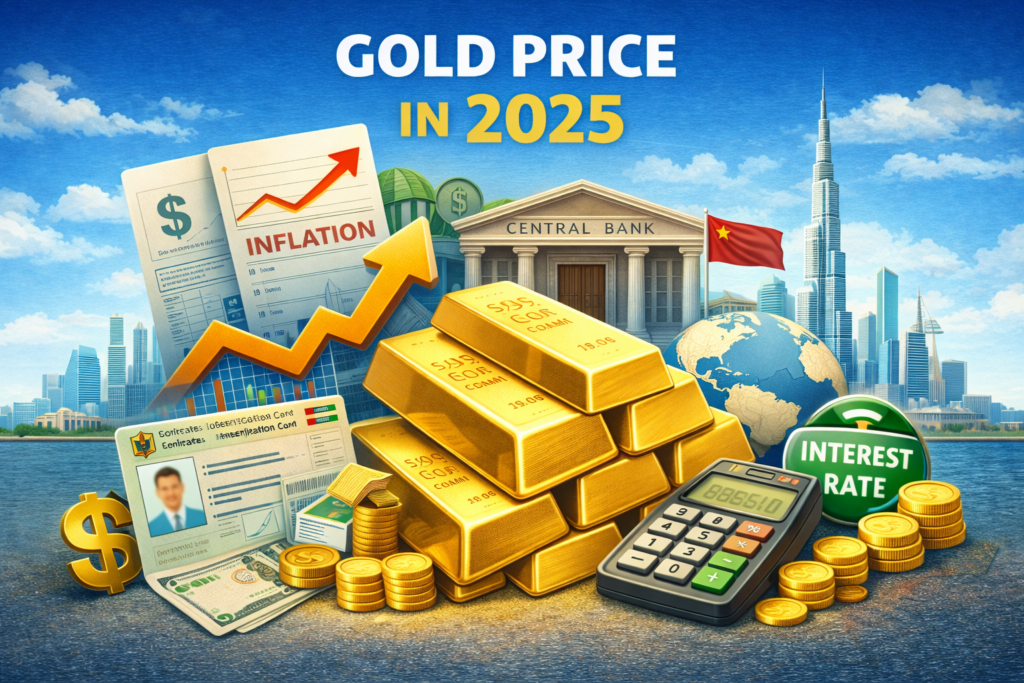
The gold price in 2025 is influenced by a wide range of factors, including interest rates, currency movements, geopolitical developments, and investor sentiment. While no one can predict prices with certainty, understanding the forces that affect gold can help readers better understand market trends.
This article provides a clear and beginner-friendly overview of gold price trends in 2025, the factors influencing gold prices, and the broader outlook for the precious metal.
Why Gold Prices Matter
Gold prices matter not only to investors but also to governments, jewelers, and everyday consumers. Changes in gold prices can reflect broader economic conditions and investor confidence.
Gold is commonly used for:
- Investment and wealth preservation
- Jewelry and cultural purposes
- Central bank reserves
- Industrial and technological applications
Because of these diverse uses, gold prices are closely watched across the world.
Global Economic Environment in 2025
The global economy in 2025 continues to adjust to long-term changes that began earlier in the decade. Factors such as inflation control measures, interest rate policies, and economic recovery patterns play a major role in shaping gold prices.
When economic growth is uncertain or uneven, gold often attracts attention as a defensive asset. On the other hand, strong economic growth and higher interest rates can reduce short-term demand for gold.
Key Factors Influencing Gold Price in 2025
Interest Rates and Monetary Policy
Interest rates are one of the most important drivers of gold prices. Gold does not generate interest or dividends, so when interest rates are high, investors may prefer income-generating assets.
In 2025:
- Stable or declining interest rates may support gold prices
- Tight monetary policies may limit rapid price increases
Central bank decisions continue to influence gold demand globally.
Inflation and Purchasing Power
Gold is often viewed as a hedge against inflation. When the value of money decreases, gold may retain its purchasing power over time.
If inflation pressures remain:
- Gold demand may increase
- Investors may use gold to protect long-term wealth
Inflation expectations are a key element shaping gold price movements in 2025.
US Dollar Strength
Gold prices generally have an inverse relationship with the US dollar. Since gold is priced internationally in US dollars, a stronger dollar can make gold more expensive for buyers using other currencies.
In 2025:
- A strong dollar may limit gold price growth
- A weaker dollar may support higher gold prices
Currency trends play a significant role in gold markets.
Geopolitical Uncertainty
Geopolitical events often influence gold prices. During periods of global tension, investors may turn to gold as a safe-haven asset.
Potential factors include:
- Regional conflicts
- Trade disputes
- Political instability
Gold’s reputation as a safe asset continues to support demand during uncertain times.
Central Bank Gold Purchases
Central banks around the world hold gold as part of their foreign exchange reserves. In recent years, many central banks have increased their gold holdings to diversify reserves.
In 2025:
- Continued central bank buying may support prices
- Gold remains a strategic reserve asset
Central bank activity adds long-term stability to gold demand.
Supply Factors Affecting Gold Prices
Gold Mining Production
Gold supply depends largely on mining output. Mining production grows slowly because new projects take years to develop.
Factors affecting supply include:
- Mining costs
- Environmental regulations
- Labor and energy expenses
Limited supply growth can support gold prices over the long term.
Recycling and Scrap Gold
Recycled gold from old jewelry and electronic waste contributes to supply. When gold prices rise, recycling activity may increase.
In 2025:
- Recycling helps balance supply and demand
- It provides flexibility during high-price periods
Gold Demand Trends in 2025
Investment Demand
Investment demand includes gold bars, coins, and gold-backed financial products. Investors often increase gold exposure during uncertain economic conditions.
Investment demand is influenced by:
- Market volatility
- Inflation expectations
- Interest rate trends
Jewelry Demand
Jewelry remains one of the largest sources of gold demand, especially in countries where gold has cultural significance.
In 2025:
- Jewelry demand may fluctuate with income levels
- Seasonal and cultural factors continue to play a role
Industrial and Technological Use
Gold is used in electronics, medical devices, and advanced technologies due to its conductivity and corrosion resistance.
Although industrial demand is smaller compared to jewelry and investment demand, it provides steady long-term support for gold prices.
Regional Perspective on Gold Prices
Gold prices are global, but local demand varies by region.
- Asia remains a major gold consumer
- Middle Eastern markets continue to value gold for cultural reasons
- Western markets focus more on investment demand
Regional demand patterns influence overall market balance.
Gold as a Long-Term Store of Value
Gold has historically preserved value over long periods. While prices can fluctuate in the short term, gold often performs well during economic stress.
Key characteristics:
- Limited supply
- Global acceptance
- Long-term value retention
These features continue to support gold’s relevance in 2025.
Risks and Limitations of Gold Investment
Although gold has many benefits, it also has limitations.
Potential risks include:
- Price volatility
- No regular income generation
- Storage and security costs
Understanding both benefits and risks is essential when evaluating gold.
Outlook for Gold Price in 2025
The gold price outlook for 2025 remains balanced. Instead of dramatic movements, prices are expected to respond gradually to economic indicators and global events.
General expectations include:
- Steady demand from investors and central banks
- Moderate price fluctuations
- Continued relevance as a safe-haven asset
Long-term fundamentals remain supportive, even if short-term volatility occurs.
Frequently Asked Questions (FAQs)
Is gold a safe investment in 2025?
Gold is generally considered a stable asset, but prices can still fluctuate.
Does inflation affect gold prices?
Yes, inflation expectations often influence gold demand.
Can gold prices fall in 2025?
Gold prices can move up or down depending on economic conditions.
Is gold only used for investment?
No, gold is also used in jewelry, industry, and central bank reserves.
Conclusion
The gold price in 2025 is shaped by a complex mix of economic, financial, and geopolitical factors. While short-term movements are influenced by interest rates, inflation, and currency trends, gold’s long-term value is supported by limited supply and global demand.
Gold continues to play an important role as a store of value, a diversification tool, and a safe-haven asset. Understanding the factors that influence gold prices helps readers stay informed and make thoughtful financial decisions in an ever-changing global environment.
Disclaimer
This article is for informational and educational purposes only. It does not provide investment or financial advice. Gold prices are subject to market risks and may change based on economic conditions.